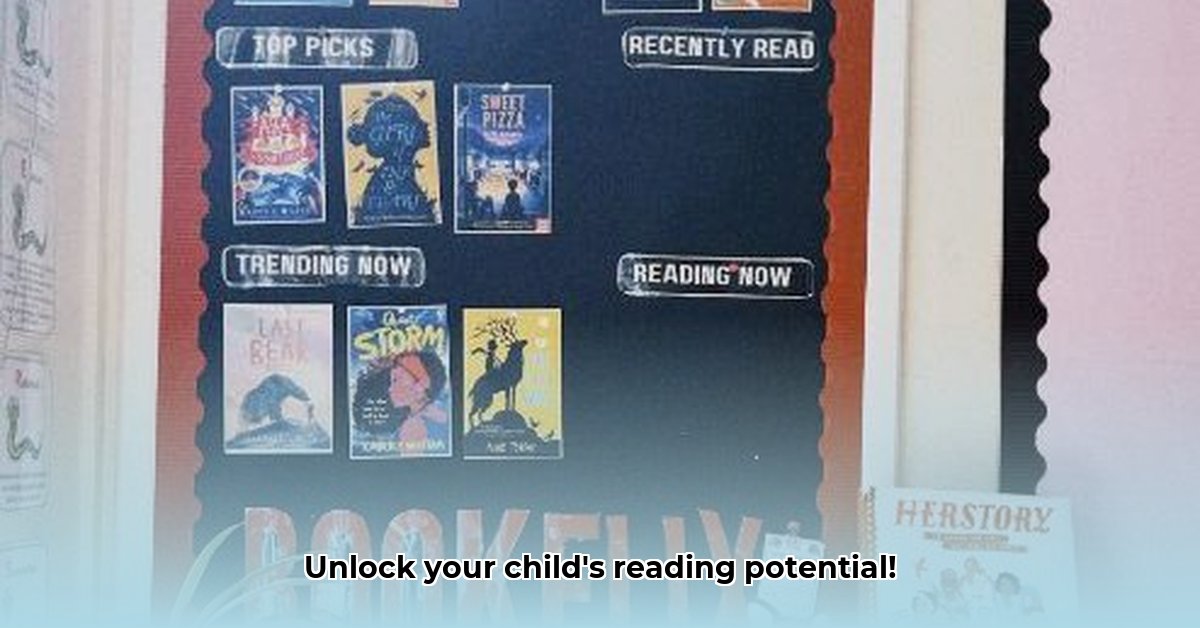
BookFlix: A Deep Dive into Enhanced Early Literacy
BookFlix, an engaging eBook platform, promises to revolutionize early literacy by pairing fiction and nonfiction titles. This detailed review explores its features, potential benefits, limitations, and actionable recommendations for educators, parents, and developers. While the platform shows significant promise, further research is crucial to fully understand its impact.
How BookFlix Works: A Thematic Approach to Learning
BookFlix's core strength lies in its thematic pairing of fiction and nonfiction eBooks. Imagine a captivating story about a playful monkey followed by a factual account of primate behavior. This approach seamlessly integrates narrative engagement with informative content. Interactive "Puzzlers," integrated into the platform, act as comprehension checks, actively testing a child's understanding of the material. This interactive component transforms passive reading into an active learning experience. Furthermore, curated external website links extend the learning beyond the eBooks, encouraging deeper exploration of topics that spark curiosity. This multi-faceted approach makes learning dynamic and engaging.
Unlocking Potential: The Benefits of BookFlix
The correlation between reading volume and academic achievement is well-documented. Children who read extensively tend to possess broader vocabularies, stronger comprehension skills, and enhanced critical thinking abilities. BookFlix aims to foster this crucial reading habit by providing engaging content and interactive elements. By increasing access to a wide range of books, BookFlix could significantly contribute to improved literacy outcomes, particularly for children with limited access to print resources at home. Consider a hypothetical scenario: Ms. Johnson, a second-grade teacher, uses BookFlix to support a struggling reader, pairing engaging fiction with simplified nonfiction explanations, fostering a love of reading and boosting confidence. This interactive and tailored approach offers personalized support, potentially closing the achievement gap.
Navigating Challenges: Realistic Expectations and Future Directions
Despite its considerable promise, BookFlix faces several challenges. Currently, there's a lack of robust, independent research demonstrating its direct impact on literacy development. Further longitudinal studies are needed to quantitatively assess its effectiveness. Moreover, the digital divide remains a significant barrier. Unequal access to technology and reliable internet connectivity prevents many children from benefiting fully. This inequity undermines BookFlix's potential to promote equitable literacy outcomes. The following risk assessment matrix highlights these concerns:
| Risk Category | Description | Likelihood | Impact | Mitigation Strategies |
|---|---|---|---|---|
| Unequal Access | Socioeconomic disparities in access to technology and reliable internet. | High | High | School partnerships, subsidized access, offline alternatives. |
| Internet Connectivity | Insufficient or unreliable internet access hindering platform usability. | Medium | Medium | Collaboration with ISPs, offline modes, awareness campaigns. |
| Lack of Empirical Evidence | Limited research on the platform's long-term impact on literacy skills. | Medium | Medium | Independent, longitudinal studies, rigorous evaluations. |
| Data Privacy | Concerns regarding the security and appropriate handling of student data. | Low | Medium | Stringent data policies, compliance with FERPA and COPPA. |
Actionable Recommendations: A Collaborative Approach
To maximize BookFlix's impact, a collaborative effort is crucial:
Educators: Integrate BookFlix strategically into lesson plans, track student progress meticulously, and participate in professional development programs focusing on effective utilization of the platform's features.
Developers: Prioritize user feedback, conduct thorough impact assessments, and explore personalization features to cater to individual learning styles and needs.
Parents: Encourage regular home use, supplement digital reading with physical books, and monitor children's engagement and progress actively. "Reading aloud together even for just 15 minutes a day can make a huge difference," states Dr. Emily Carter, Professor of Early Childhood Education at the University of California, Berkeley.
Researchers: Conduct rigorous, longitudinal studies to assess BookFlix's long-term impact on literacy skills. Evaluate the effectiveness of digital literacy interventions and investigate the crucial role parents play in supporting technology-based learning at home. "A well-designed study could significantly contribute to our understanding of how technology can influence literacy development,” adds Dr. David Miller, Associate Professor of Educational Technology at Stanford University.
Conclusion: Fostering a Love of Reading
BookFlix offers a promising approach to enhancing early literacy. However, realizing its full potential requires addressing the challenges outlined above through a coordinated effort among educators, developers, parents, and researchers. With careful implementation and ongoing evaluation, BookFlix can become a valuable tool to foster a lifelong love of reading and significantly improve literacy outcomes for children everywhere.